The Power of Environmental Portraits: Letting the Space Tell the Story
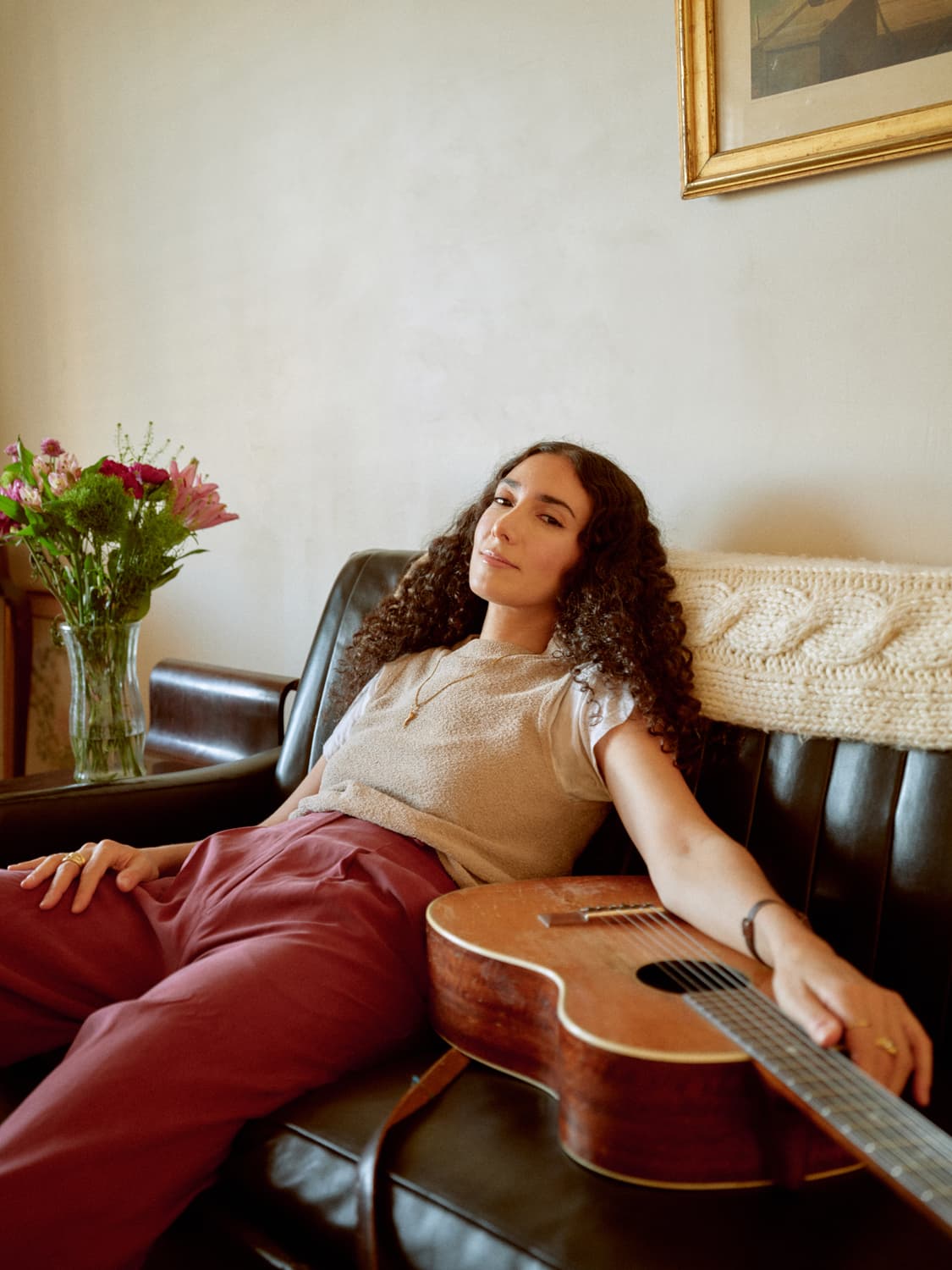
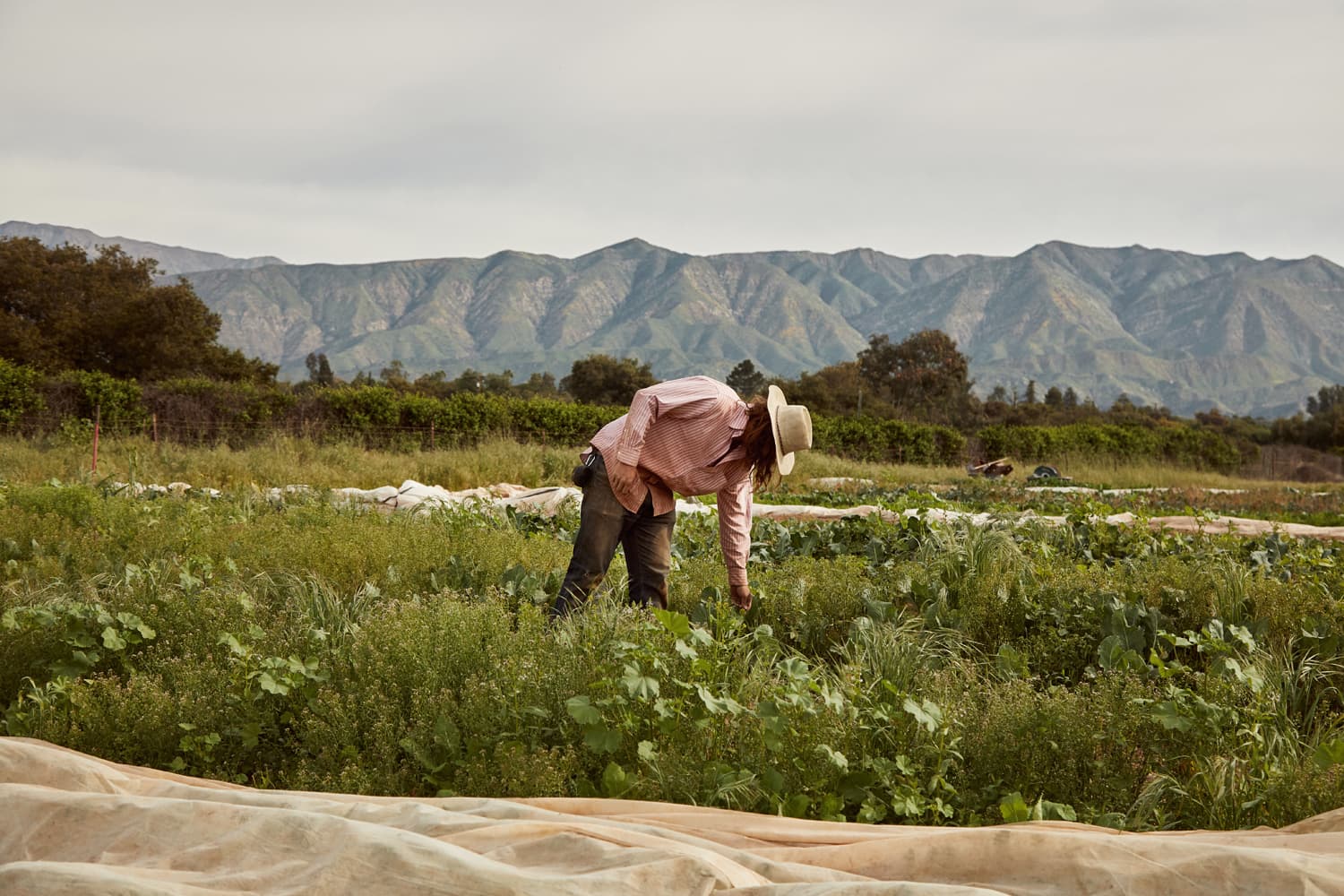
My favorite way to photograph someone is to pull back and let the space around them tell part of the story.
Whether it's an artist in their studio, a chef in their kitchen, or a partner at a venture capital firm in their office, you can learn a lot about someone by how they exist in a room. Environmental portrait photography is about capturing that relationship between a person and the world they've built around themselves.
What Makes Environmental Portraits Different
A standard headshot isolates the subject. Clean background, controlled lighting, all focus on the face. There's a place for that. But an environmental portrait does something more: it puts the subject in context.
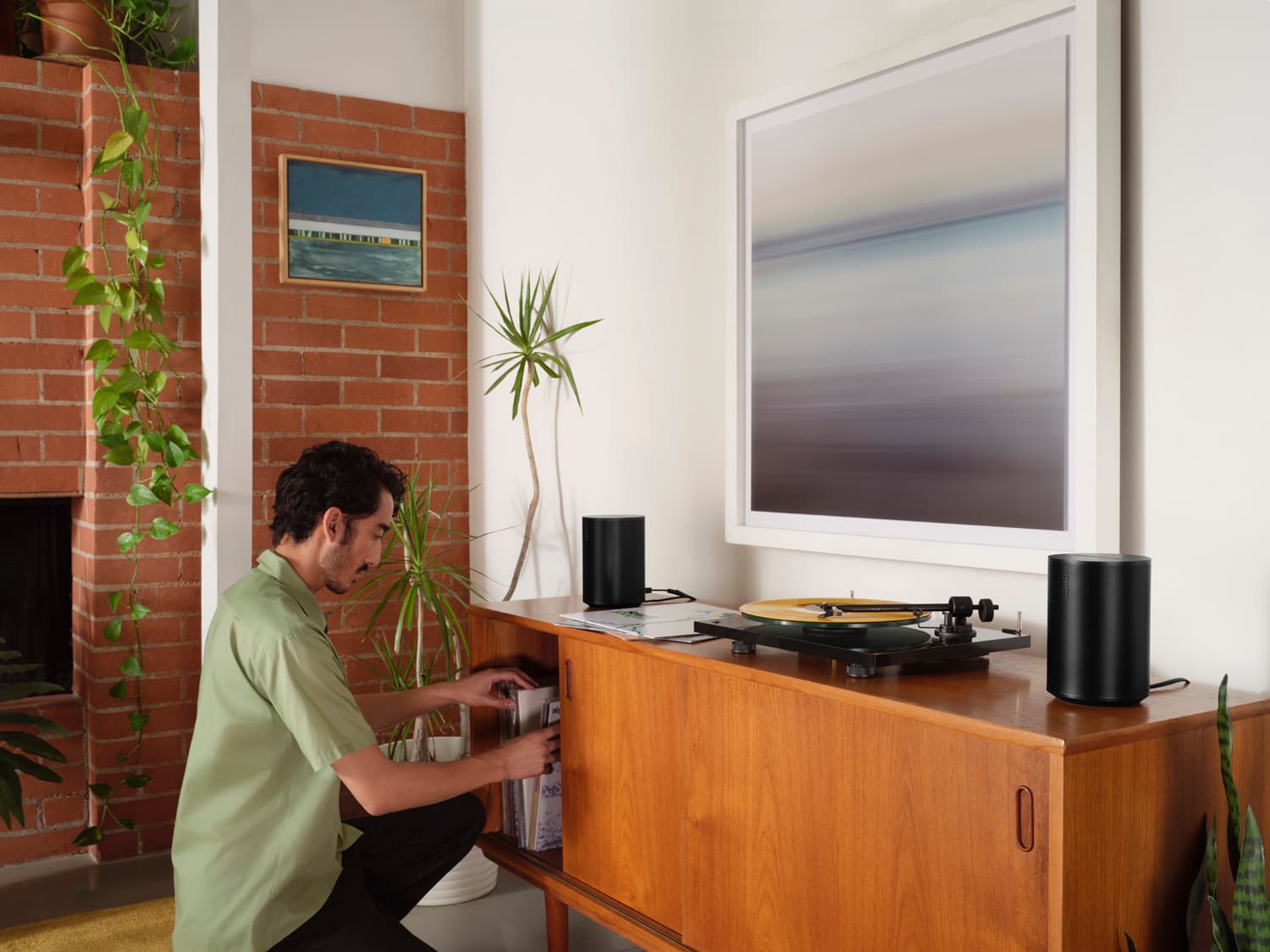
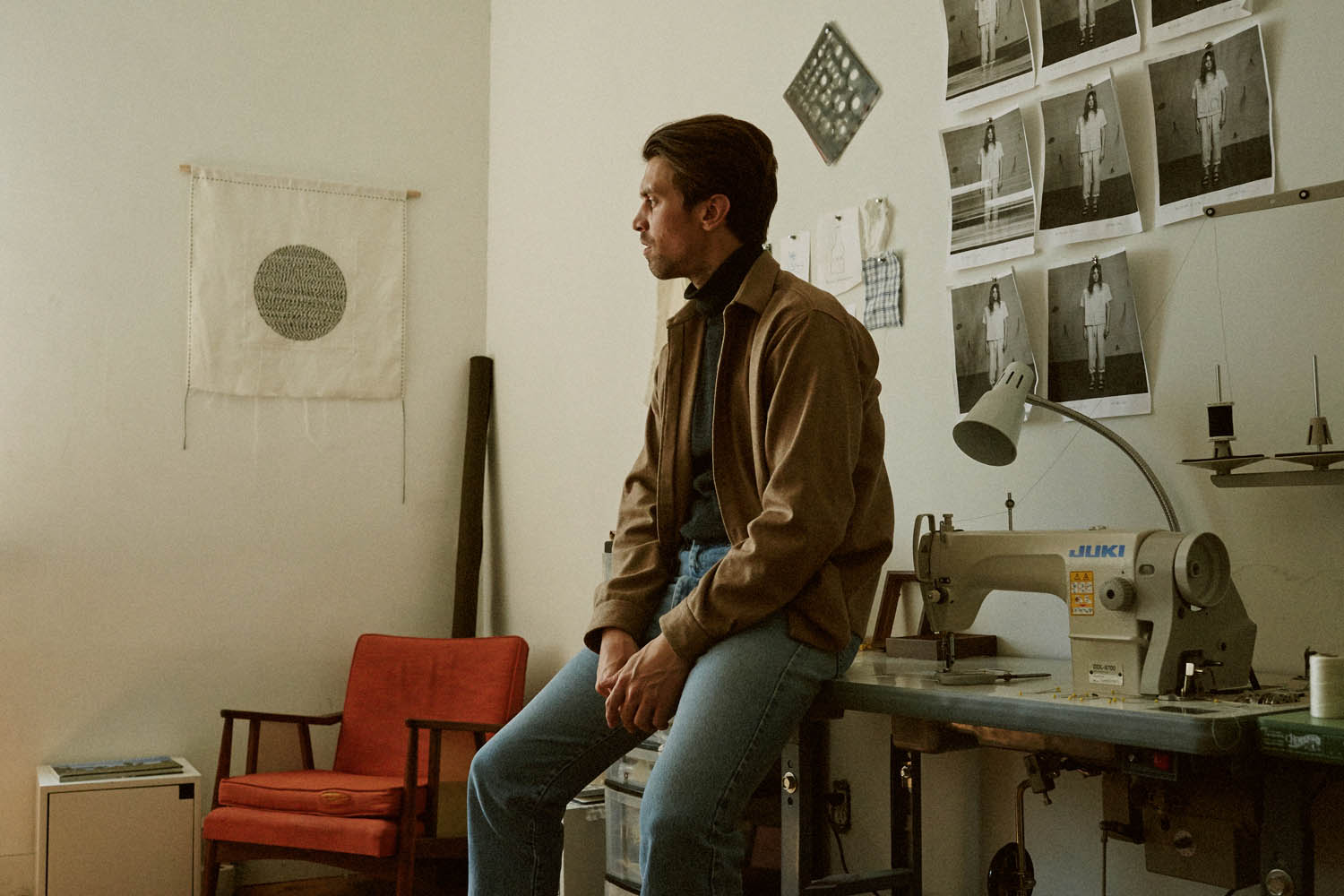
The details matter. What's on the walls. Objects on the desk. Tools on a shelf. The quality of light coming through a window. Those details often say more than a tight crop ever could. They reveal personality, profession, taste, and story without a single word of caption.
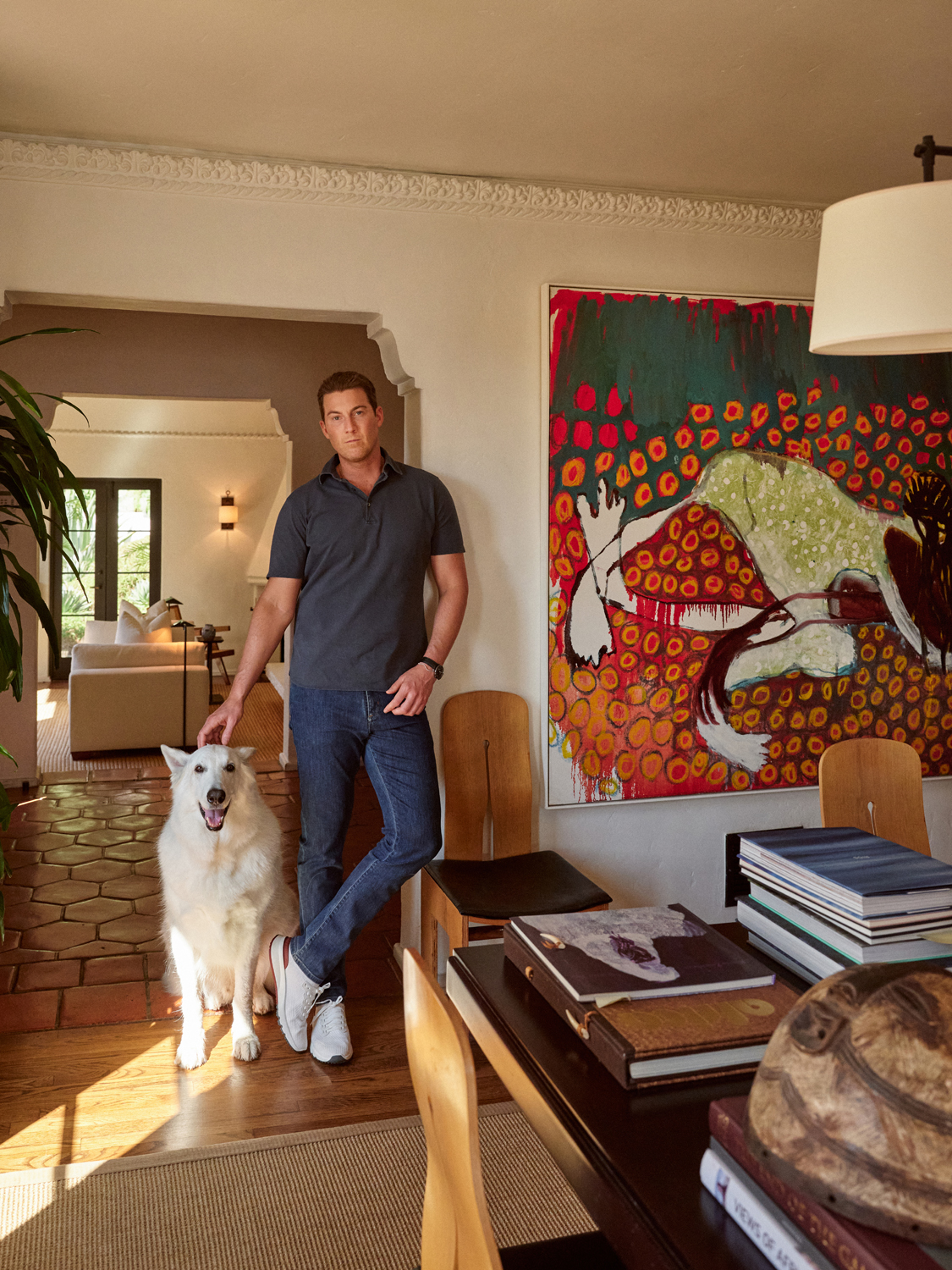
When I photographed William Bennett for Cultured Magazine, the art and objects in his space were inseparable from who he is as a person. A tight headshot would have missed all of that context. The environmental approach told a complete story.
How I Approach Environmental Portraits on Set
Every environmental portrait session starts with the same question: what does this space reveal about this person?
Before I pick up the camera, I walk the space. I look at the light: where it falls naturally, how it changes through the day, which corners have the most interesting quality. I look at the details: the objects, textures, and elements that feel authentic rather than staged.
Then I think about composition. Environmental portraits often work best when you give the frame room to breathe. I'll typically start wide, capturing the subject in the full context of their space, then work my way in. Closer shots that still include the environment. Details that support the story: hands on tools, books on shelves, light on surfaces. And finally, tighter portrait moments, now informed by everything I've already seen.
This approach gives clients and art directors a range of assets from a single session. One shoot, multiple stories.
Why Clients Love Environmental Portraits
When I photograph someone for a brand or publication, the environmental approach gives them more than a portrait. It gives them a narrative.
An art director can use the wide establishing shot for a full-page magazine spread and the detail shots for supporting content. A brand can use the environmental portrait on their website and the close-ups for social. That versatility is a huge value-add for clients.
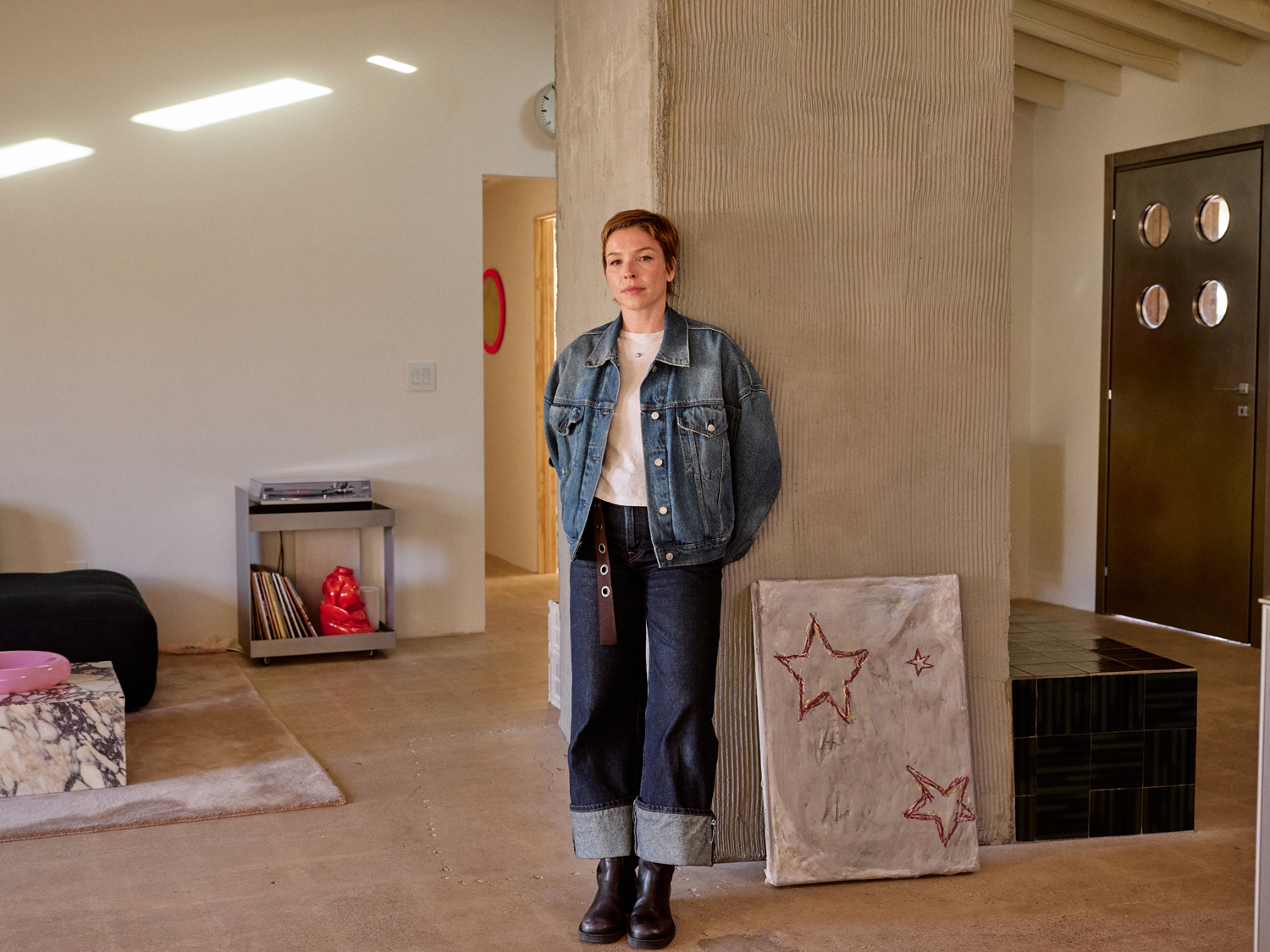
My work for Domino Magazine with Bethany Brill shows this in action. The assignment was to photograph Bethany in her home, a space she'd designed and lived in. The environmental approach let us capture both the person and the interior design story, which gave Domino more content options from a single shoot.
Environmental Portraits for Commercial Campaigns
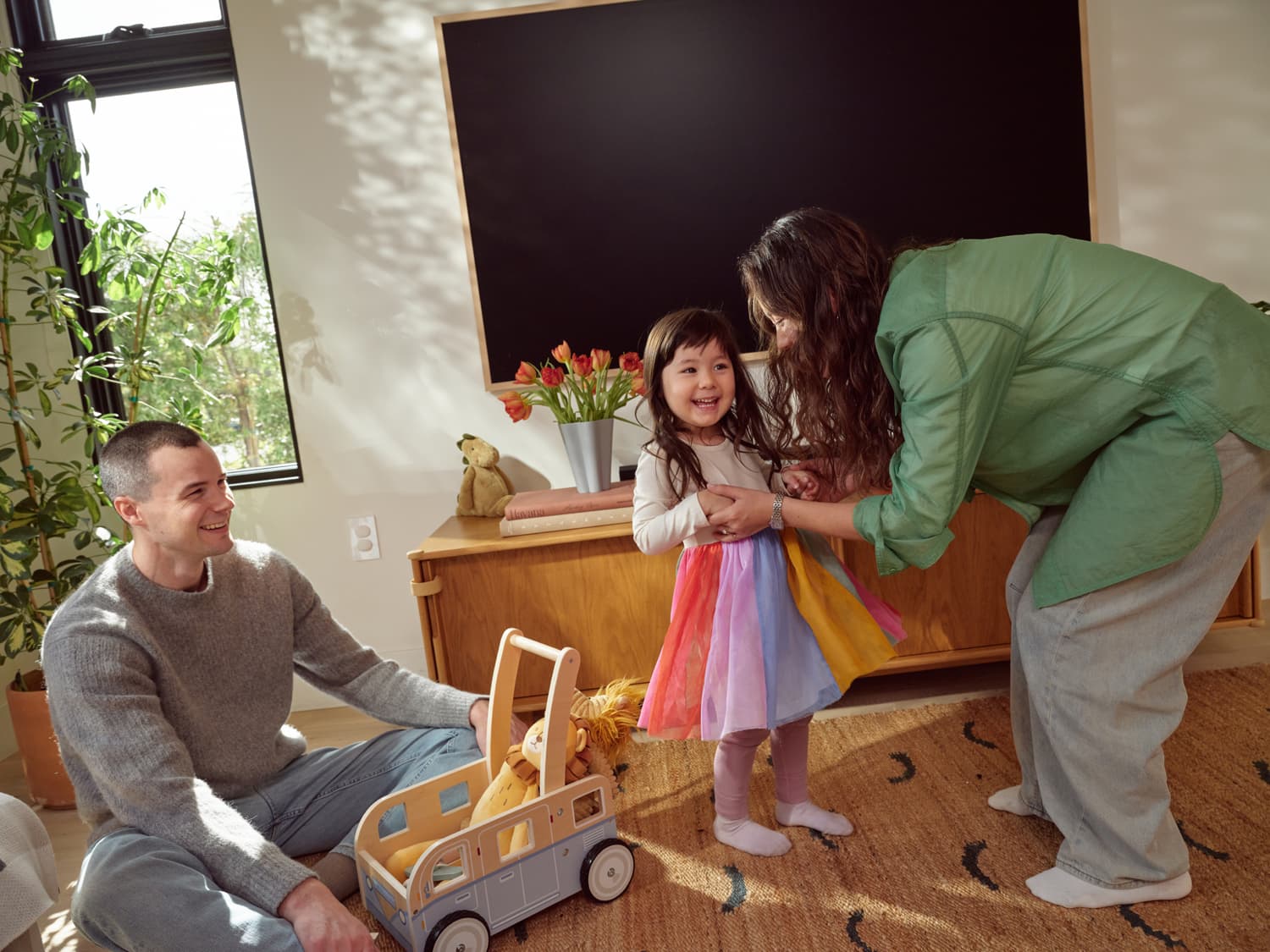
This approach isn't limited to editorial work. Commercial clients increasingly want lifestyle imagery that feels authentic and contextual rather than studio-sterile.
For brands like Floyd, Brooklinen, and Salt Hotels, the environment is the product story. Furniture in a real home. Bedding in a real bedroom. A hotel room as someone actually experiences it. The same attention to space, natural light, and authentic detail that makes an environmental portrait work also makes commercial lifestyle imagery feel real.
A lot of the editorial work I've done using this approach has directly led to commercial campaigns. I wrote more about that progression in How Editorial Photography Builds a Commercial Career.
The Foundation of My Work
This is the foundation of everything I shoot: finding the intersection between a person and the space they inhabit, then documenting it in a way that feels natural and authentic. Whether it's an editorial assignment, a commercial campaign, or a personal project, I always start by asking: what does this space tell us about this person, and how can the photograph honor that?
Slow down, observe the space before you shoot it, and let the details do the talking. That's where the real story is.