How Editorial Photography Builds a Commercial Career
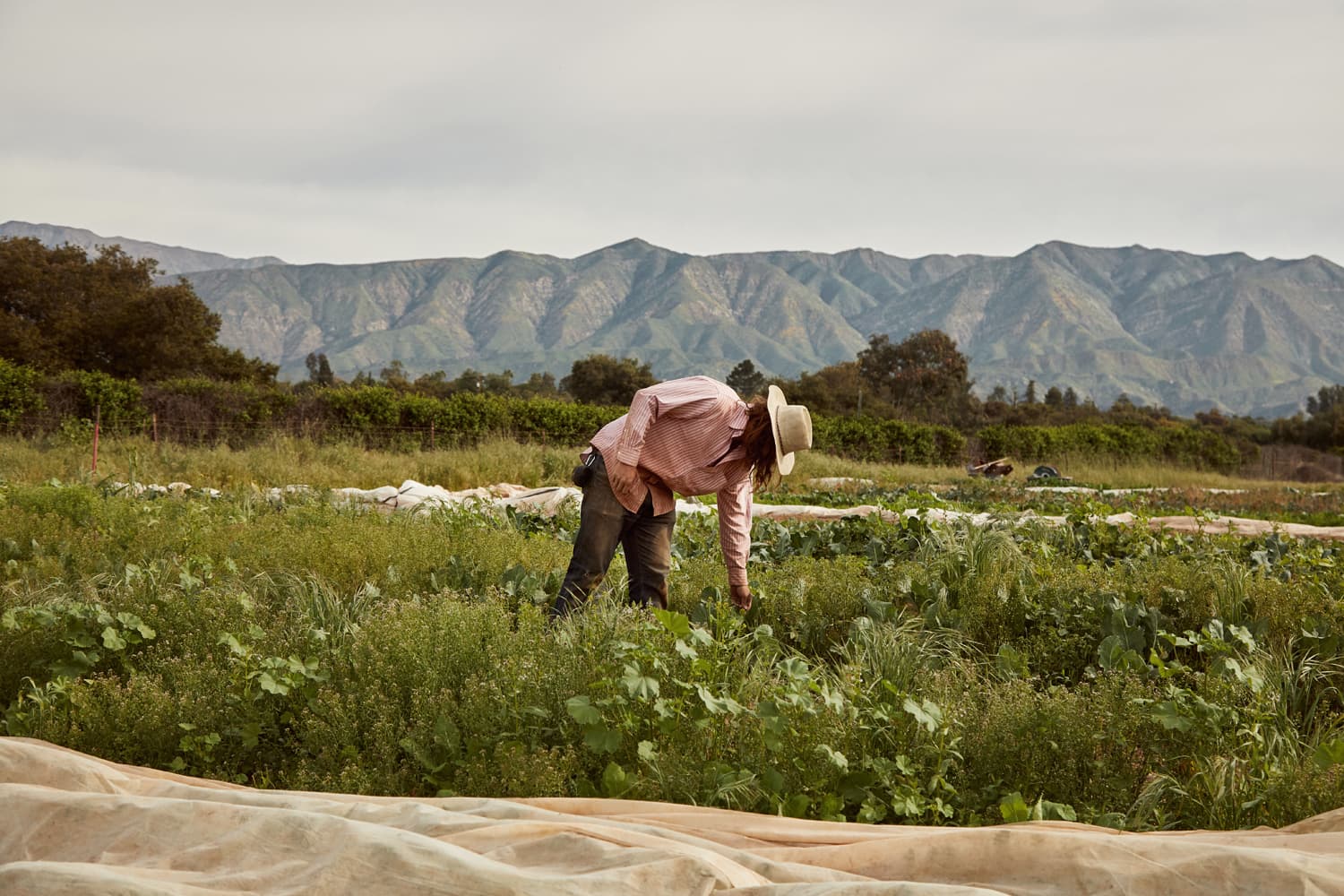
A lot of my commercial photography work came from editorial work. Not always directly, but the pipeline is clear when I look back at the trajectory of my career.
If you're a photographer trying to build a commercial client base, editorial assignments are one of the most effective ways to get there, even though the day rates are often a fraction of what commercial work pays. I wrote more about the broader process in How I Get Commercial Photography Clients.
What Editorial Photography Gives You That Commercial Work Can't (At First)
Editorial gives you access to people, places, and projects you wouldn't get on your own. A magazine assignment may open doors that a cold email never could. You get to photograph interesting subjects in compelling locations, with the creative freedom to shoot in your own style.
More importantly, you build a body of work that shows range, storytelling ability, and a consistent point of view. Art directors and creative teams at agencies and brands see that work, and it puts you on their radar for bigger projects.
When I shot Montana Aerial Firefighters for Monocle, I had access to a world most people never see. That assignment let me create documentary-style images that demonstrated my ability to work in challenging, uncontrolled environments. No commercial client would have given me that opportunity without seeing proof I could handle it, and the editorial work was that proof.
How Editorial Credibility Translates to Commercial Bookings
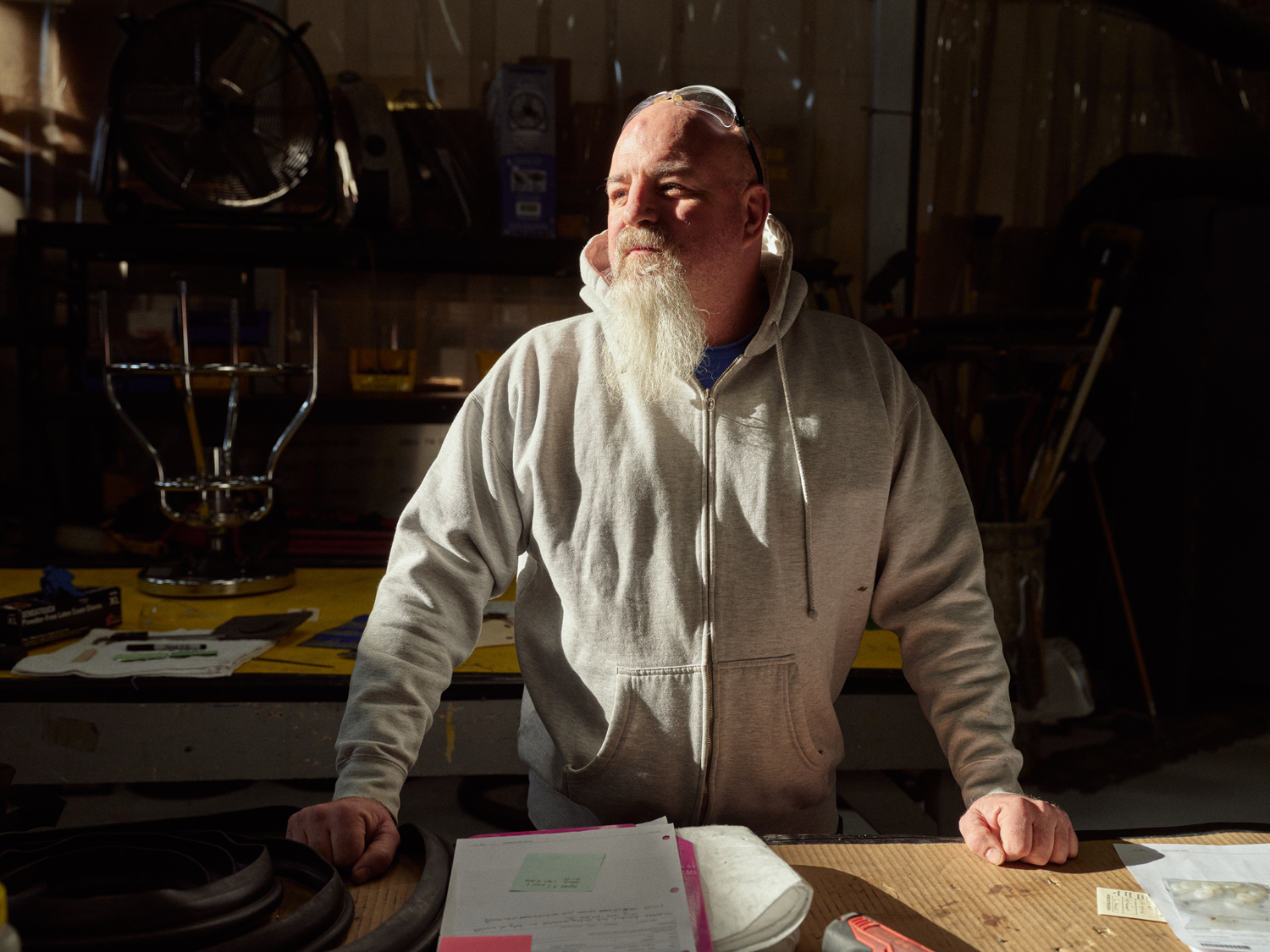
I've had commercial clients directly reference editorial work when explaining why they reached out. Most of the time, they're looking for the same storytelling sensibility and want to bring it to their brand.
This is always my ideal scenario. A brand sees your editorial work and thinks, "We want that feeling for our campaign." They're not hiring you to replicate a specific image. They're hiring your eye, your approach, your ability to create authentic moments.
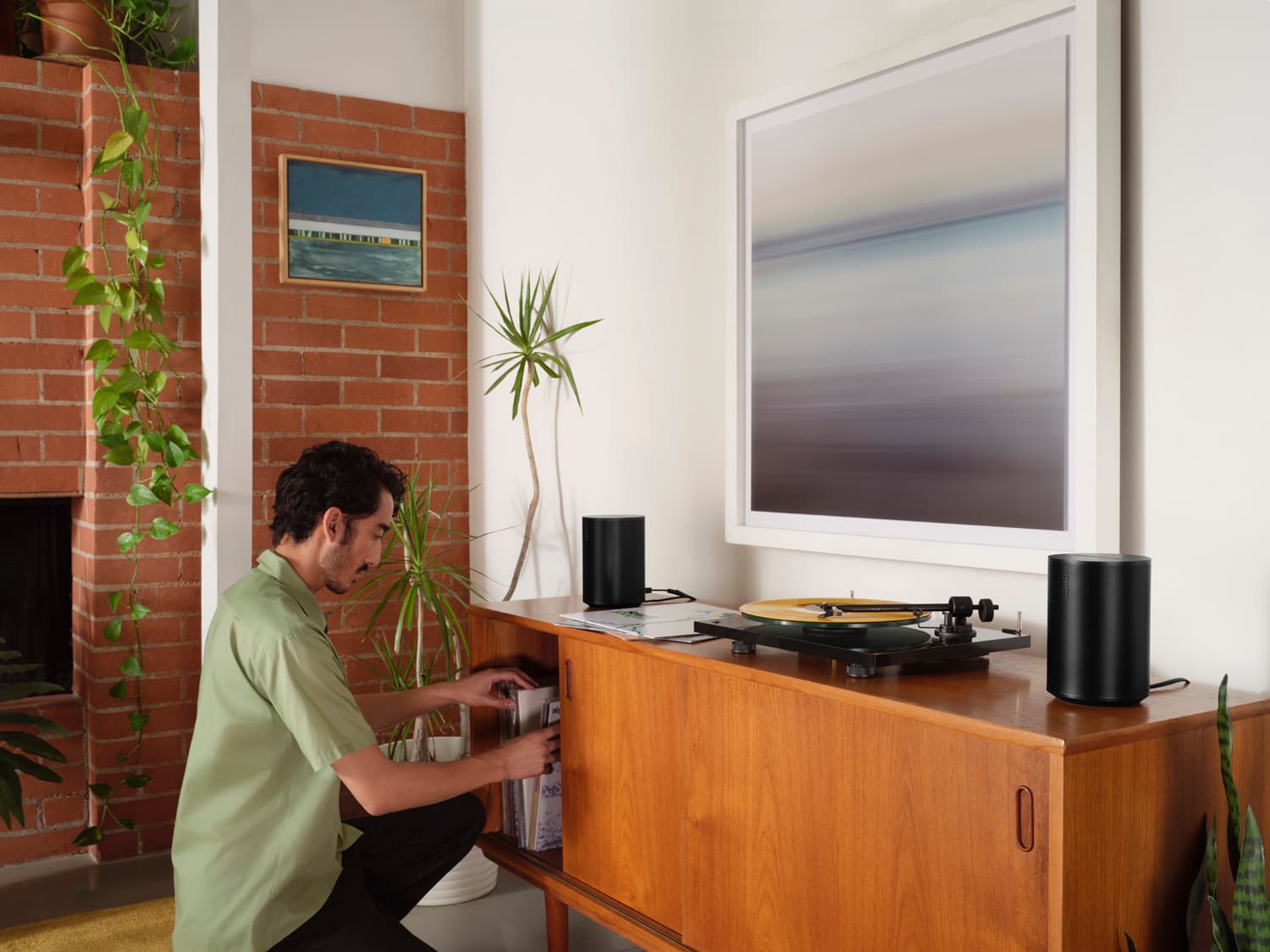
Here's a concrete example: an editorial feature I shot for Floyd led directly to ongoing commercial shoots with them, then Sonos, and eventually Amazon. The editorial work showed them how I photograph products in real spaces, and those images became the proof of concept for the commercial campaigns that followed.
My Progression: Personal to Editorial to Commercial
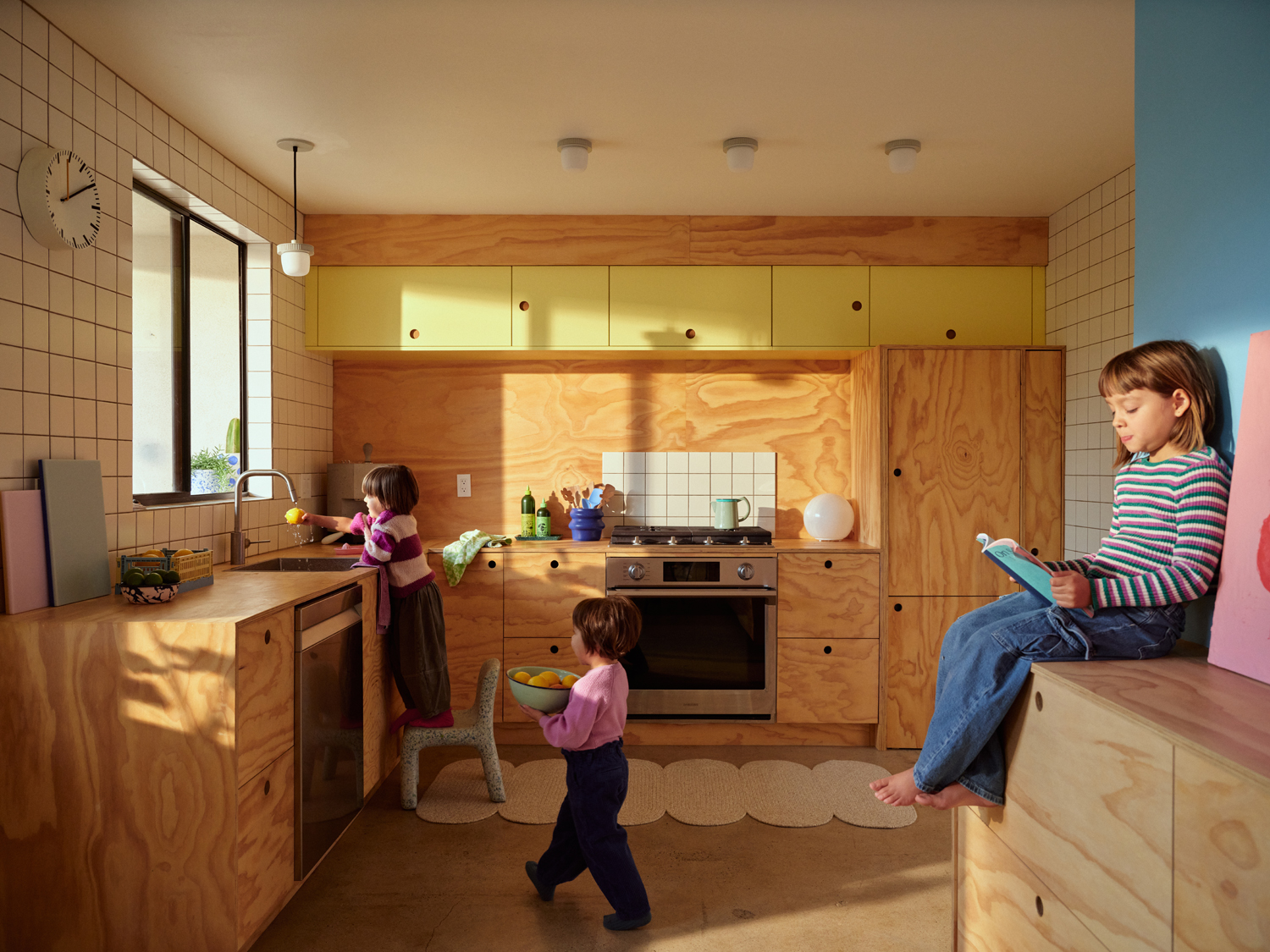
For me, the career progression looked like this:
Personal projects came first. Self-directed shoots where I developed my voice and built an initial portfolio. No client, no brief, no boundaries. Just me figuring out how I see the world.
Editorial assignments came next. Publications like Monocle, Bon Appetit, The New York Times, and Cultured Magazine gave me real assignments with real deadlines. These built my credibility, expanded my network, and produced portfolio work that commercial clients could immediately see themselves in.
Commercial campaigns followed. Brands like Sonos, Amazon, Chime, and General Electric came to me because they'd seen the editorial work and wanted that same authentic, storytelling-driven approach applied to their products and campaigns.
Each stage validated the next. The personal work proved I had a vision. The editorial work proved I could execute on assignment. And the commercial work proved I could deliver at scale for brands with significant budgets.

Why Editorial Is Worth the Lower Day Rate
Editorial doesn't always pay well, but it almost always pays forward. Here's what I mean:
- Relationships: The editors, art directors, and stylists you work with on editorial become your network. They move to agencies and brands. They recommend you for commercial work.
- Portfolio depth: One great editorial assignment can produce 5-10 portfolio-worthy images. That's hard to replicate on your own.
- Credibility: "Published in Monocle" or "Shot for The New York Times" carries weight when a brand is deciding between photographers. It's social proof that you can deliver.
- Creative development: Editorial work pushes you creatively. The best art directors challenge you to see differently, and that growth shows in everything you shoot afterward.
An editorial shoot that pays a modest day rate can produce the portfolio work that lands a commercial campaign worth 10x or more.
Practical Steps for Getting Editorial Work
If you want to start building editorial experience:
- Create personal projects that demonstrate your storytelling ability and visual point of view
- Research publications that align with your style. Look at who's shooting for them and study the visual tone
- Send targeted pitches to photo editors with a specific story idea, not just a generic portfolio link
- Build relationships with editors and art directors at portfolio reviews and industry events
- Be reliable. Editorial works on tight timelines. Deliver on time, communicate clearly, and be easy to work with
The editorial-to-commercial pipeline isn't fast. It takes years, not months. But it's one of the most sustainable ways to build a commercial photography career because the work you create along the way is genuinely yours, and it keeps attracting the right clients long after the assignment is done.