Why Sharing Your Creative Process Matters More Than the Final Image
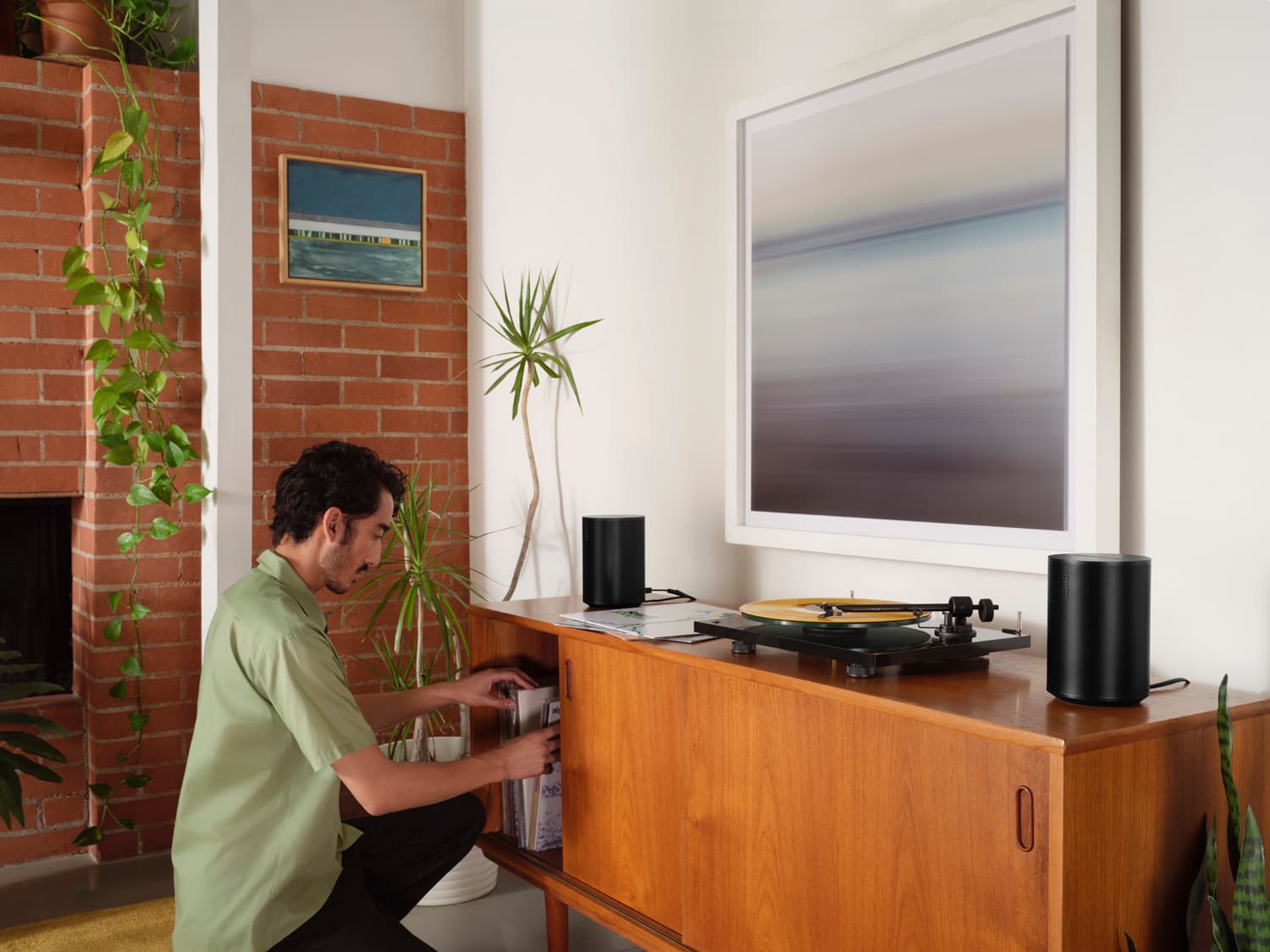
Showing how you work online is becoming more important than showing the work itself.
People want to see process alongside product. That goes for clients too. When an art director is considering photographers for a campaign, they're not just looking at final images. They're evaluating your process: how you think, how you solve creative problems, and how you'll handle their project.
Why Process Matters to Commercial Photography Clients
Think about it from a client's perspective. An art director at an agency is presenting your portfolio to their client and internal team. They may need to explain to the rest of the team why they're recommending you over another photographer. If all they have are polished final images, they can only talk about the aesthetic. But if they've seen your process (your approach to scouting, your lighting setups, your ability to direct talent), they can speak to your methodology, your professionalism, and your creative thinking.
The final images are the proof, but the process is what helps someone advocate for you when you're not in the room.
How I've Started Sharing My Process
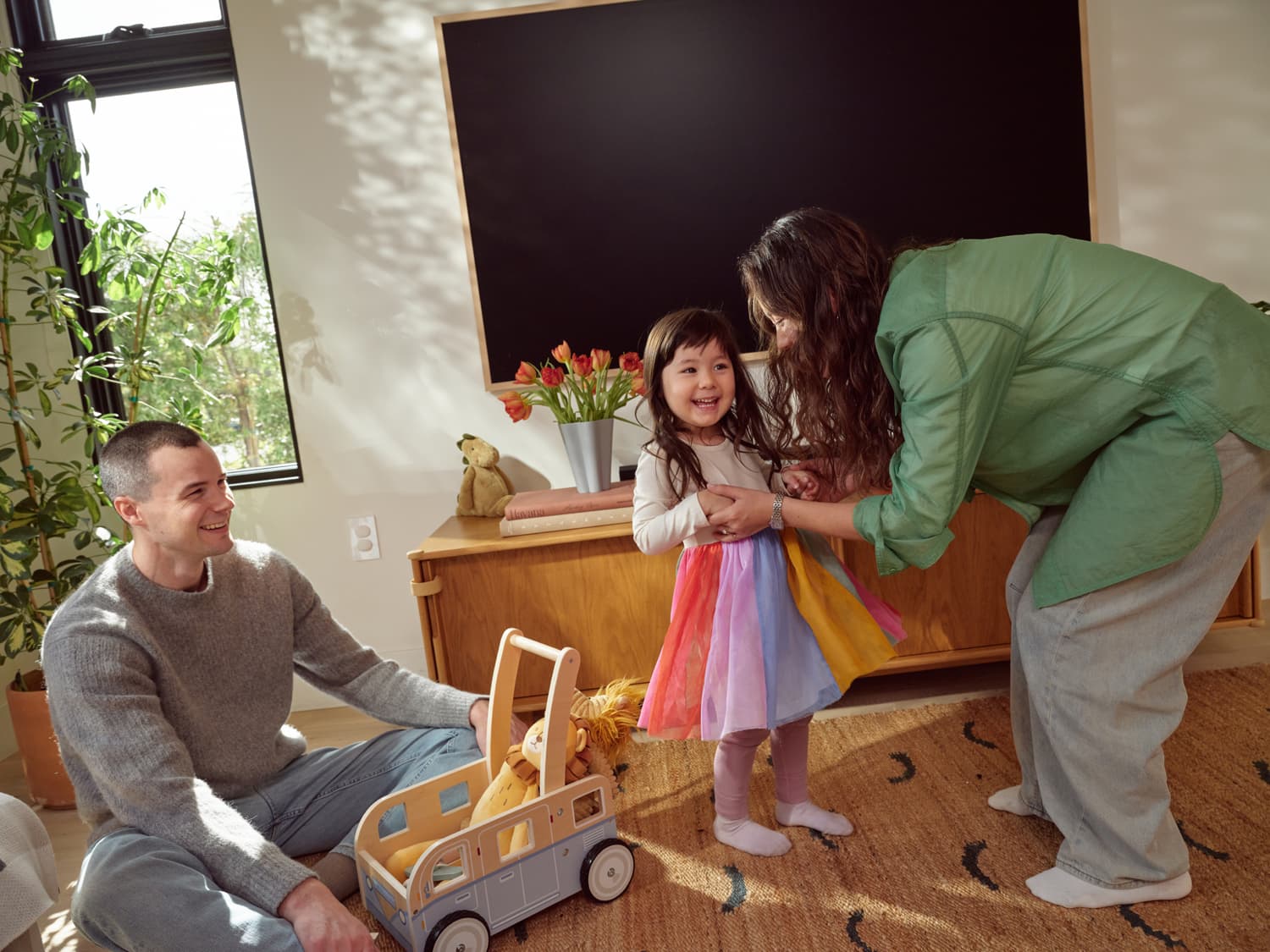
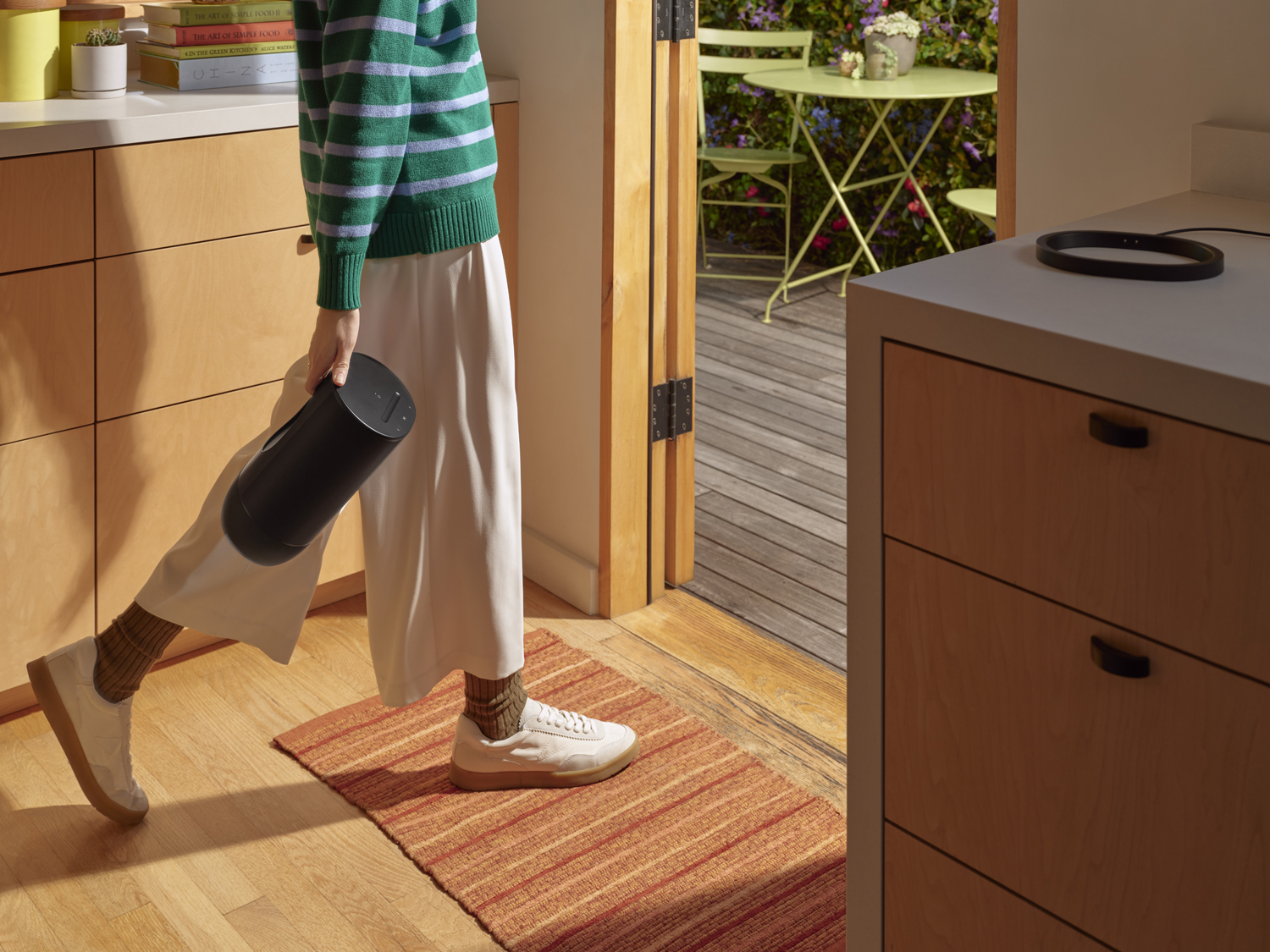
This year I'm working on sharing more of my creative process. On LinkedIn, I've started writing short posts about recent shoots: what the brief was, what decisions I made on set, and what I learned from the project. Not polished case studies. Just honest reflections that give people a glimpse of how I actually approach the work.
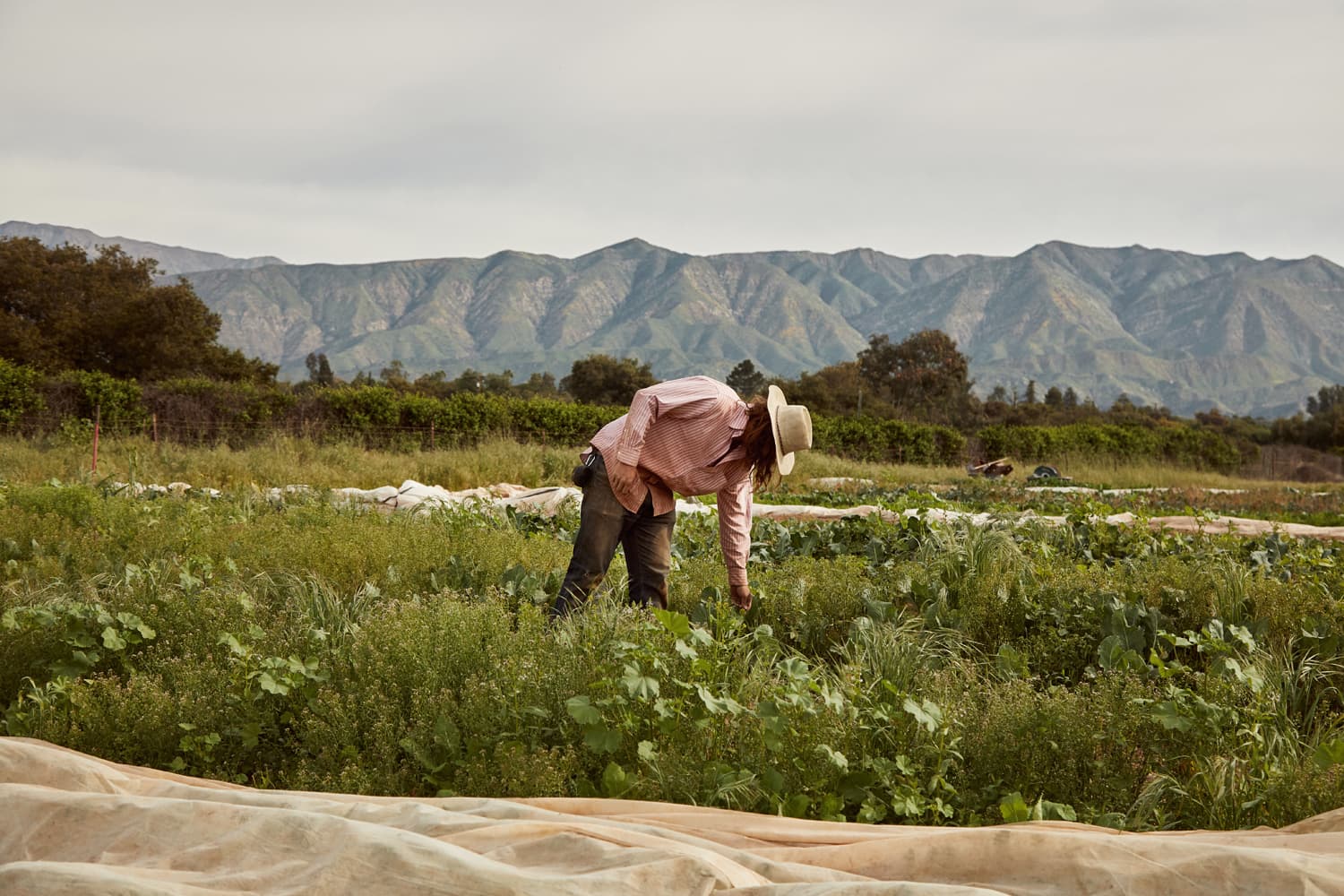
Early in my career, personal projects like the studio visit I shot with Dashiel Brahmann were all process. Finding the subject, reaching out, showing up, and figuring out how to photograph someone in their own world. Those kinds of projects are often more interesting to people than the final images, because they're honest about what actually goes into making the work.
Communicating About Your Work Is a Skill
Talking about your work doesn't come naturally for most photographers. Most of us got into this because we love making images, not writing or talking about them.
But it's worth practicing. The more you articulate your creative decisions, the better you get at everything else that comes with the job. Explaining your approach in pre-production. Directing talent on set. Walking an art director through your portfolio. Writing something online that actually connects with the people you want to work with. It all compounds.
The photographers who can both make great work and explain why it's great have a significant advantage. Clients trust people who can articulate their thinking. It's the difference between "I shot this with natural light" and "I chose natural light because the brand wanted images that felt warm and approachable, and the afternoon light in this space created exactly the right mood for their lifestyle campaign."
Where to Share Your Process
You don't need to be a content creator to do this well. Start simple:
- LinkedIn: Write short posts about recent projects. What was the brief? What decisions did you make? What was the result?
- Instagram Stories: Behind-the-scenes clips from set. Quick, unpolished, authentic.
- Your website journal: Longer-form case studies that live on your own domain and build SEO value over time
- Email outreach: Include a process note when sending new work to clients: "Here's how we approached this shoot for Sonos"
The goal isn't to become a content machine. The goal is to help potential clients understand what it's like to work with you before they ever pick up the phone. I wrote more about that approach in The Long Game: Why Follow-Up Emails Book More Work Than Cold Outreach.

Show Your Thinking
The market is saturated with talented photographers. What sets you apart isn't just the quality of your images, it's the quality of your thinking. Let people see both.
Some of the best opportunities I've had came from people who had been quietly following my work and my process long before they reached out. By the time they emailed, they already felt like they knew how I'd approach their project. That's what sharing your process does over time. It builds trust in the background, even when you don't realize it's happening.